



.jpg)


_edited.png)
_edited.png)


Choosing the Perfect Boulder Wall or Retaining Wall Style for Your Yard

Creating a beautiful and functional outdoor space often involves managing changes in elevation and soil stability. Boulder walls and retaining walls are practical solutions that also add character to your yard. But with so many styles and materials available, how do you choose the right one for your landscape? This guide will help you understand the different types of boulder and retaining walls, their benefits, and how to select the best style to fit your yard’s needs and aesthetic.

Understanding the Purpose of Boulder and Retaining Walls
Before diving into styles, it’s important to clarify what these walls do. Retaining walls hold back soil on sloped terrain, preventing erosion and creating level areas for planting or patios. Boulder walls are a type of retaining wall made from large, natural stones that offer a rugged, organic look.
Both serve structural and decorative roles. The right wall can transform a challenging slope into a usable, attractive space while complementing your yard’s style.
Types of Boulder and Retaining Walls

Dry Stack Boulder Walls
Dry stack walls use large boulders or stones stacked without mortar. This style offers a natural, rustic appearance and allows water to drain through the gaps, reducing pressure behind the wall.
Best for: Gardens with a natural or woodland theme, gentle slopes, and areas where drainage is a concern.
Pros: Easy to repair, environmentally friendly, and visually appealing.
Cons: Not suitable for very high walls or steep slopes due to stability limits.
These walls use mortar to bind the stones together, creating a solid, permanent structure. Mortared walls can support higher loads and steeper slopes.
Best for: Formal gardens, terraces, or yards needing strong, tall retaining walls.
Pros: Durable, stable, and can be shaped precisely.
Cons: More expensive and labor-intensive to build; less natural in appearance.
Segmental Retaining Walls
Made from interlocking concrete blocks designed to look like stone, segmental walls offer flexibility and strength. They often mimic the look of natural stone but with easier installation.
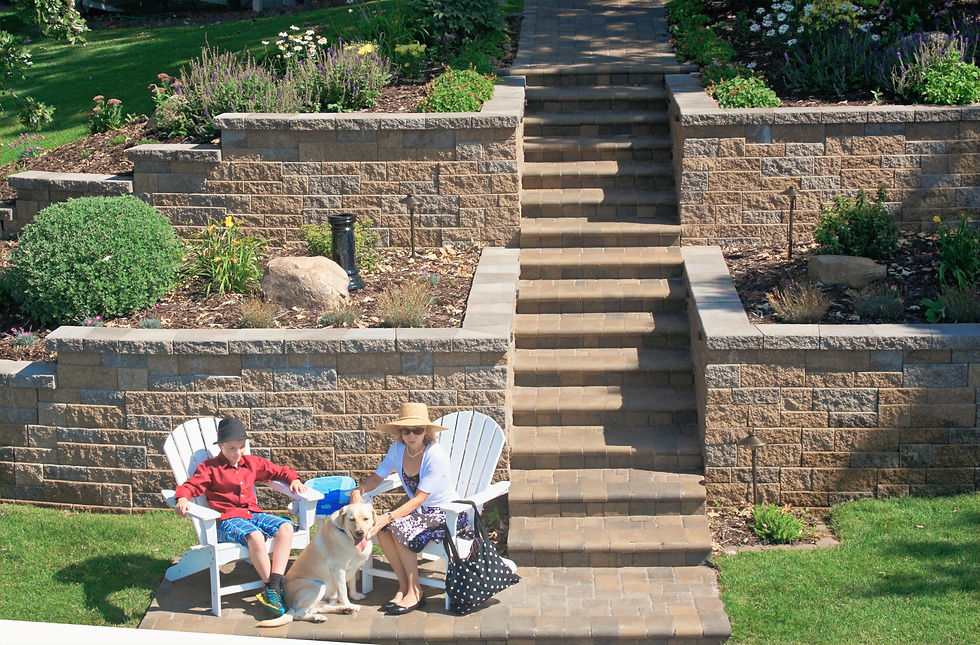
Best for: Modern yards, DIY projects, and areas requiring precise engineering.
Pros: Durable, easy to install, and available in various colors and textures.
Cons: Can look less natural than real stone; may require drainage systems.
Choosing the Right Style for Your Yard
Assess Your Yard’s Terrain and Soil
The slope’s steepness and soil type influence which wall style will work best. For example, dry stack walls suit gentle slopes with stable soil, while mortared or segmental walls handle steeper grades and heavier loads.
Consider Drainage Needs
Proper drainage behind retaining walls prevents water pressure buildup that can cause failure. Dry stack and gabion walls naturally allow water flow, while mortared walls require built-in drainage solutions.
Match Your Yard’s Aesthetic
Think about the overall look you want. Natural stone boulders blend well with rustic or woodland gardens. Concrete blocks suit modern or minimalist designs. Gabion walls add an industrial edge.
Budget and Maintenance
Mortared walls and custom stonework tend to cost more upfront and require professional installation. Dry stack and segmental walls can be more budget-friendly and easier to maintain.
Practical Examples of Boulder Wall Styles
Rustic Garden Retreat: A dry stack boulder wall curves around a flower bed, creating a natural border that blends with native plants.
Terraced Vegetable Garden: Mortared stone walls form sturdy terraces on a steep slope, maximizing planting space and preventing erosion.
Modern Patio Edge: Segmental retaining walls with smooth finishes define a sleek patio area, complementing contemporary outdoor furniture.
Eco-Friendly Slope Control: Gabion walls filled with local river rocks stabilize a hillside while supporting climbing vines for added greenery.
Installation Tips for Boulder and Retaining Walls
Prepare the Base: Excavate a level trench and add a compacted gravel base for stability.
Plan Drainage: Install drainage pipes or gravel backfill to prevent water buildup.
Use Quality Materials: Choose durable stones or blocks suited to your climate.
Hire Professionals When Needed: Complex or tall walls require expert design and construction to ensure safety.
Enhancing Your Wall with Landscaping
Adding plants, lighting, or decorative features can soften the look of a boulder or retaining wall. Consider planting trailing vines, ornamental grasses, or succulents along the wall’s edge. Solar lights can highlight the wall’s texture and improve nighttime visibility.


Comments